
Coca-Cola: An In-Depth Look at KO Stock, Performance, and Future Plans

Coca-Cola, one of the world's most recognizable brands, has quenched thirsts globally for over a century. With a presence in over 200 countries and territories, the company offers a diverse portfolio of beverages, from its iconic Coca-Cola to a wide array of sparkling soft drinks, water, sports drinks, and juices. This report provides a comprehensive analysis of Coca-Cola's stock (KO), its recent performance, future plans, and insights from its annual reports to shareholders.
Company Overview
The Coca-Cola Company, headquartered in Atlanta, Georgia, is a global beverage giant with a rich history dating back to 1886. The company operates through a vast network of bottling partners and distributors, reaching consumers in every corner of the world. As of January 2025, Coca-Cola employed approximately 79,100 people, with an average salary of $579,410 for executives and $135,450 for other employees1. In December 2024, Helene Gayle retired from her duties as a director of the company2.
Stock Performance
As of February 3, 2025, Coca-Cola's (KO) stock price is $63.483. The stock has demonstrated a 5-year growth of 7.65%1. Over the past year, KO yielded a return of 9.97%, outperforming the industry return of 1.38% but underperforming the index return of 26.34%4. This underperformance could be attributed to various factors, including the overall market conditions, investor sentiment towards the consumer staples sector, or company-specific factors such as concerns about the health implications of sugary drinks and increasing competition from healthier beverage options. Further analysis is needed to pinpoint the exact reasons for this discrepancy.
Here's a summary of KO's price performance over different periods: 5
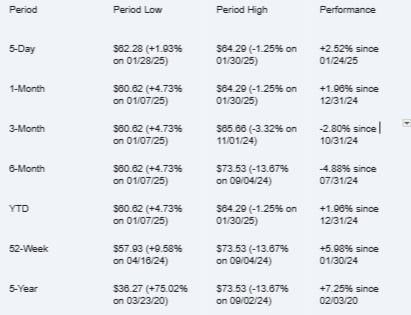
The stock's 52-week range is $57.93 to $73.533. Looking at a longer timeframe, Coca-Cola's market capitalization has shown an overall upward trend since 1996, reaching $254.77 billion in 20236. This long-term growth, coupled with the company's consistent dividend increases for 60 consecutive years6 makes KO an attractive option for dividend-focused investors seeking stability and long-term value appreciation.
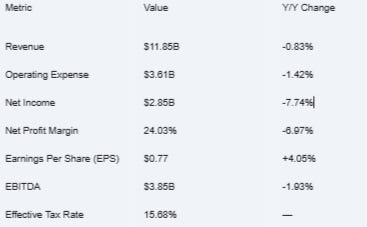
To provide a more comprehensive view of Coca-Cola's financial health, here's a snapshot of key financial data from the third quarter of 2024: 3
Annual Reports to Shareholders
Coca-Cola's latest annual report to shareholders, filed on February 20, 20247 offers valuable insights into the company's financial performance, strategic direction, and risk factors. These reports provide a detailed overview of the company's operations, financial statements, and management's discussion and analysis.
Future Plans
Coca-Cola's future plans are centered around sustainable growth, enhanced profitability, continued innovation, and a strong commitment to sustainability.
Growth Strategies
The company aims to achieve organic sales growth of between 6% and 7% in 20248. This growth will be driven by:
Expanding into new markets: Coca-Cola continues to explore opportunities in emerging markets with increasing disposable incomes and a growing thirst for non-alcoholic beverages.
Brand building and innovation: The company invests heavily in marketing and advertising to maintain its strong brand image and introduce new products that cater to evolving consumer preferences.
Strategic acquisitions: Coca-Cola has a history of acquiring promising brands to expand its portfolio and enter new beverage categories. This includes the recent acquisition of Billson's, a premium alcohol ready-to-drink brand in Australia2. This move signals Coca-Cola's interest in the growing alcoholic beverage market, potentially offering both significant growth opportunities and challenges in navigating a new and competitive landscape.
Financial Targets
Coca-Cola expects earnings gains to outpace revenue growth in 20248 indicating a focus on improving operational efficiency and profitability.
Sustainability Focus
Coca-Cola is committed to its "World Without Waste" campaign, aiming to reduce its environmental footprint through initiatives in water replenishment, packaging recycling, sustainable sourcing, and carbon emissions reduction9.
Product Portfolio
Coca-Cola's extensive product portfolio caters to a wide range of consumer preferences and includes iconic brands such as: 10
Sparkling Soft Drinks: Coca-Cola Original Taste, Coca-Cola Zero Sugar, Diet Coke, Sprite, Fanta
Water and Hydration: Dasani, smartwater, Aquarius
Juices and Dairy: Minute Maid, Simply, fairlife
Teas and Coffees: Fuze Tea, Gold Peak, Costa Coffee
Energy Drinks: Monster Energy, Relentless, Burn
Alcohol Ready-to-Drink: Jack Daniel's & Coca-Cola RTD, Topo Chico Hard Seltzer, BACARDÍ & Coca-Cola RTD 11
This diverse portfolio allows Coca-Cola to capture various market segments, mitigate risks associated with changing consumer trends, and capitalize on the expanding ready-to-drink (RTD) cold beverage market12.
Analyst Ratings and Price Targets
Analysts remain optimistic about Coca-Cola's future performance13. The average analyst rating for KO stock is "Strong Buy," with an average price target of $72.12, predicting a 13.61% increase from the current price13. The average brokerage recommendation (ABR) is 1.30, indicating a strong buy sentiment14.
Here's a table summarizing analyst ratings and price targets:
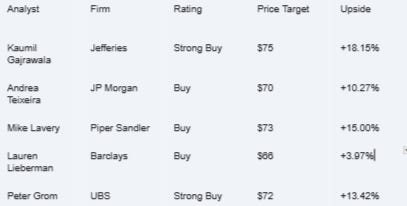
The ABR trend over time shows a shift towards a stronger buy sentiment in recent months14.
Market Share and Industry Trends
Coca-Cola holds a commanding position in the non-alcoholic beverage market, with an estimated 40% global market share15. Its closest competitor, PepsiCo, holds around 30% of the market15. Coca-Cola's brand is valued at over US$83.8 billion, exceeding the combined value of KFC, Subway, and Budweiser16. The company sells an astounding 1.9 billion bottles per day, highlighting its global reach and influence16.
Emerging trends shaping the beverage industry include:
Sustainable Beverage Technologies: Consumers are increasingly environmentally conscious, driving demand for sustainable packaging and production practices17.
Internet of Things (IoT): IoT devices are being integrated into the beverage sector to improve operational efficiency, monitor processes, and enhance product tracking17.
Functional Beverages: Drinks with added health benefits, such as energy drinks and those with added vitamins or minerals, are gaining popularity12. This trend aligns with the growing consumer focus on physical and mental wellness, with 46% of consumers prioritizing these aspects18.
Personalization: Consumers are seeking personalized beverage options tailored to their individual needs and preferences18. AI-powered platforms are emerging to recommend personalized blends and subscription services18.
Plant-Based Beverages: The demand for plant-based alternatives, such as almond milk and coconut water, continues to rise, while dairy-based drinks experience a decline18.
Premiumization: Consumers are showing a growing preference for premium beverages, with brands focusing on quality ingredients and unique flavor profiles12.
Coca-Cola is well-positioned to capitalize on these trends, with its diverse product portfolio, ongoing innovation, and commitment to sustainability. The company's recent initiatives, such as the launch of Coca-Cola Zero Sugar and the expansion into plant-based beverages with AdeS, demonstrate its ability to adapt to evolving consumer preferences.
Marketing and Brand Presence
Coca-Cola's strong online presence and brand reach are evident in its website traffic statistics. In November 2024, coca-cola.com received 9.9 million visits19.
Sustainability Initiatives and Impact
Coca-Cola has implemented various sustainability initiatives to reduce its environmental impact and contribute to a more sustainable future. These initiatives include:
Water Stewardship: Coca-Cola aims to replenish more than 100% of the water used in its finished products globally20. The company also focuses on water efficiency and returning treated water to communities. This commitment is further emphasized in Coca-Cola HBC's Mission 2025, which includes targets for water reduction and stewardship21.
Packaging Recycling: Coca-Cola is committed to increasing the use of recycled materials in its packaging and supporting collection rates20. The company aims to use 35% to 40% recycled material in its primary packaging by 203520. Coca-Cola HBC is actively working towards collecting 75% of its primary packaging for recycling by 202521. They have achieved a 56% collection rate in 2023, excluding Egypt21. Several markets have already transitioned to 100% recycled PET (rPET) for their locally produced plastic packaging21. However, it's important to acknowledge that the company has scaled back its initial goal of using 50% recycled content by 2030 and collecting 100% of its packaging by the same year22. This adjustment has drawn criticism from environmental groups, highlighting the ongoing challenge of balancing sustainability ambitions with practical limitations.
Emissions Reduction: The company aims to reduce its carbon footprint by investing in renewable energy and implementing energy-efficient practices20. Coca-Cola HBC has committed to achieving net-zero emissions across its entire value chain by 204021.
Sustainable Sourcing: Coca-Cola works with suppliers to promote sustainable agricultural practices and reduce its impact on the environment20. While the company no longer has a specific voluntary goal for agriculture, it continues to support sustainable sourcing initiatives23.
These initiatives have yielded positive results:
Water Replenishment: Coca-Cola has consistently met its water replenishment goals since 201523.
Packaging Innovation: The company has introduced innovative packaging solutions, such as the "PlantBottle" made partially from plant-based materials24. They have also eliminated single-use plastic film from multi-pack cans using KeelClip™ technology and introduced LitePac Top for large multipacks, reducing plastic shrink wrap21.
Community Engagement: Coca-Cola actively engages with communities to promote water conservation and recycling25.
Collaborative Partnerships: Coca-Cola partners with organizations like the World Wildlife Fund (WWF) to strengthen community resilience to the climate crisis and water stress25. Their joint efforts have led to significant achievements, such as the creation of water reserves in Guatemala and the protection of the Yangtze finless porpoise through oxbow lake reserves25.
Despite these positive impacts, challenges remain, such as reducing plastic pollution and ensuring the effectiveness of recycling systems24. The company faces scrutiny regarding its recyclability rate, which currently stands at 90%26.
Debt and Financing
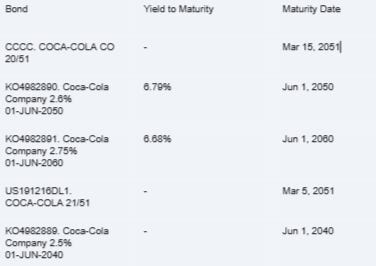
Coca-Cola utilizes debt financing as part of its capital structure. Here are some of the company's highest-yielding bonds: 1
Risk Factors and Challenges
While Coca-Cola enjoys a strong market position and brand recognition, it faces several risks and challenges:
Changing Consumer Preferences: The beverage industry is constantly evolving, with consumers becoming more health-conscious and seeking alternatives to sugary drinks. Coca-Cola needs to adapt to these changing preferences and continue to innovate to maintain its market share.
Increased Competition: The beverage market is highly competitive, with established players like PepsiCo and emerging brands vying for market share. Coca-Cola needs to maintain its competitive edge through effective marketing, product innovation, and efficient operations.
Regulatory Challenges: Governments worldwide are implementing regulations to address issues like plastic pollution and sugar consumption. Coca-Cola needs to navigate these regulations and adapt its practices to comply with evolving requirements. This includes addressing concerns related to single-use plastic legislation and the potential for sustainability loyalty programs12.
Product Recalls: Product recalls can damage a company's reputation and impact sales. Coca-Cola recently faced a recall of some of its soft drinks in Europe due to higher-than-normal levels of chlorate27. While the company stated that the risk to consumers was very low, such incidents highlight the importance of stringent quality control measures.
Conclusion
Coca-Cola remains a dominant force in the beverage industry, with a strong brand portfolio, a commitment to sustainability, and a focus on innovation. The company's consistent dividend increases, diverse product offerings, and strategic initiatives position it for long-term growth. However, Coca-Cola faces challenges in adapting to evolving consumer preferences, navigating regulatory landscapes, and mitigating environmental impact. Investors should consider these factors alongside the company's strengths when evaluating its potential for future success.
Coca-Cola's commitment to sustainability, while facing scrutiny, demonstrates a proactive approach to addressing environmental concerns. The company's "World Without Waste" campaign, water replenishment efforts, and innovative packaging solutions contribute to a more sustainable future. However, continued efforts are needed to reduce plastic pollution, improve recycling rates, and address concerns regarding its overall environmental footprint.
As the beverage industry continues to transform, Coca-Cola's ability to innovate and adapt will be crucial for maintaining its market leadership. By capitalizing on emerging trends like personalization, functional beverages, and plant-based alternatives, Coca-Cola can further solidify its position in the evolving beverage landscape and deliver long-term value to its shareholders.
Works cited
1. Coca-Cola Stock Price — KO Chart - TradingView, accessed on February 3, 2025, https://www.tradingview.com/symbols/NYSE-KO/
2. Media Center - The Coca-Cola Company, accessed on February 3, 2025, https://www.coca-colacompany.com/media-center
3. Coca-Cola Co (KO) Stock Price & News - Google Finance, accessed on February 3, 2025, https://www.google.com/finance/quote/KO:NYSE
4. Trailing Returns - Coca-Cola Co KO - Morningstar, accessed on February 3, 2025, https://www.morningstar.com/stocks/xnys/ko/trailing-returns
5. KO - Coca-Cola Company Stock Performance Report - Barchart.com, accessed on February 3, 2025, https://www.barchart.com/stocks/quotes/ko/performance
6. Coca Cola (Coke) Facts and Statistics (2024) - Investing.com, accessed on February 3, 2025, https://www.investing.com/academy/statistics/coca-cola-statistics/
7. Annual Filings (10-K) - Coca Cola Investor Relations, accessed on February 3, 2025, https://investors.coca-colacompany.com/filings-reports/annual-filings-10-k
8. Coca-Cola Has a Sparkling Outlook for 2024. What Investors Need to Know, accessed on February 3, 2025, https://www.fool.com/investing/2024/02/21/coca-cola-has-a-sparkling-outlook-for-2024-what-in/
9. Sustainability - The Coca-Cola Company, accessed on February 3, 2025, https://www.coca-colacompany.com/sustainability
10. Our Brands | The World's Most Loved Drinks - CCEP - Coca-Cola Europacific Partners, accessed on February 3, 2025, https://www.cocacolaep.com/our-brands/
11. Press Releases - Coca Cola Investor Relations, accessed on February 3, 2025, https://investors.coca-colacompany.com/news-events/press-releases
12. 2024 Trends Shaping the Beverage Industry | Publicis Sapient, accessed on February 3, 2025, https://www.publicissapient.com/insights/beverage-industry-trends
13. The Coca-Cola Company (KO) Stock Forecast & Price Targets ..., accessed on February 3, 2025, https://stockanalysis.com/stocks/ko/forecast/
14. What is the current Price Target and Forecast for Coca-Cola (KO) - Zacks, accessed on February 3, 2025, https://www.zacks.com/stock/research/KO/price-target-stock-forecast
15. Visualizing the Market Share of U.S. Soft Drinks, accessed on February 3, 2025, https://www.visualcapitalist.com/visualizing-the-market-share-of-u-s-soft-drinks/
16. Coca-Cola Statistics & Facts 55+ 2024 - Market.us, accessed on February 3, 2025, https://market.us/statistics/food-and-beverage-companies/coca-cola-company/
17. Top 10 Beverage Technology Trends Affecting Suppliers in the F&B Industry for 2024, accessed on February 3, 2025, https://www.getkexy.com/distributor-blog/top-10-beverage-technology-trends-affecting-suppliers-in-the-industry-for-2024
18. 5 Key Beverage Trends to Know in 2024 - NIQ, accessed on February 3, 2025, https://nielseniq.com/global/en/insights/education/2024/5-beverage-trends-2024/
19. Coca-Cola Statistics By Revenue, Brand Valuation, Sales and Facts - Electro IQ -, accessed on February 3, 2025, https://electroiq.com/stats/coca-cola-statistics/
20. The Coca-Cola Company Evolves Voluntary Environmental Goals, accessed on February 3, 2025, https://www.coca-colacompany.com/media-center/the-coca-cola-company-evolves-voluntary-environmental-goals
21. Our sustainability journey | at a glance - Coca-Cola HBC, accessed on February 3, 2025, https://www.coca-colahellenic.com/en/a-more-sustainable-future/our-sustainability-journey-at-a-glance
22. Coca-Cola Scales Back Sustainable Packaging, Agriculture Goals - ESG Today, accessed on February 3, 2025, https://www.esgtoday.com/coca-cola-scales-back-sustainable-packaging-agriculture-goals/
23. The Bottled Truth: Coca-Cola's New 2035 Environmental Goals Face Sustainability Backlash - CarbonCredits.com, accessed on February 3, 2025, https://carboncredits.com/the-bottled-truth-coca-colas-new-2035-carbon-emissions-environmental-goals-face-sustainability-backlash/
24. Is Coca-Cola Greenwashing? - Marley's Monsters, accessed on February 3, 2025, https://www.marleysmonsters.com/blogs/greenwashing-greenwishing-or-greenhushing/is-coca-cola-greenwashing
25. The Coca Cola Impact Report | Pages | WWF - World Wildlife Fund, accessed on February 3, 2025, https://www.worldwildlife.org/pages/the-coca-cola-impact-report
26. Coca-Cola lowers ambition with new 2035 packaging and sustainability targets | ESG Dive, accessed on February 3, 2025, https://www.esgdive.com/news/coca-cola-new-packaging-sustainability-goals-2035/734618/
27. Coca-Cola recalls drinks over safety concerns. #CocaCola #Chlorate #BBCNews - YouTube, accessed on February 3, 2025,